Product Design, Full Stack Dev:
Human- AI Collaboration
Product Design, Full Stack Dev:
Human- AI Collaboration
Project Summary
Project Summary
Everyone has opinions about what comes next. Fans predict who wins, traders predict what market crashes, and doctors what virus spreads. Yet many claim certainty after the fact.
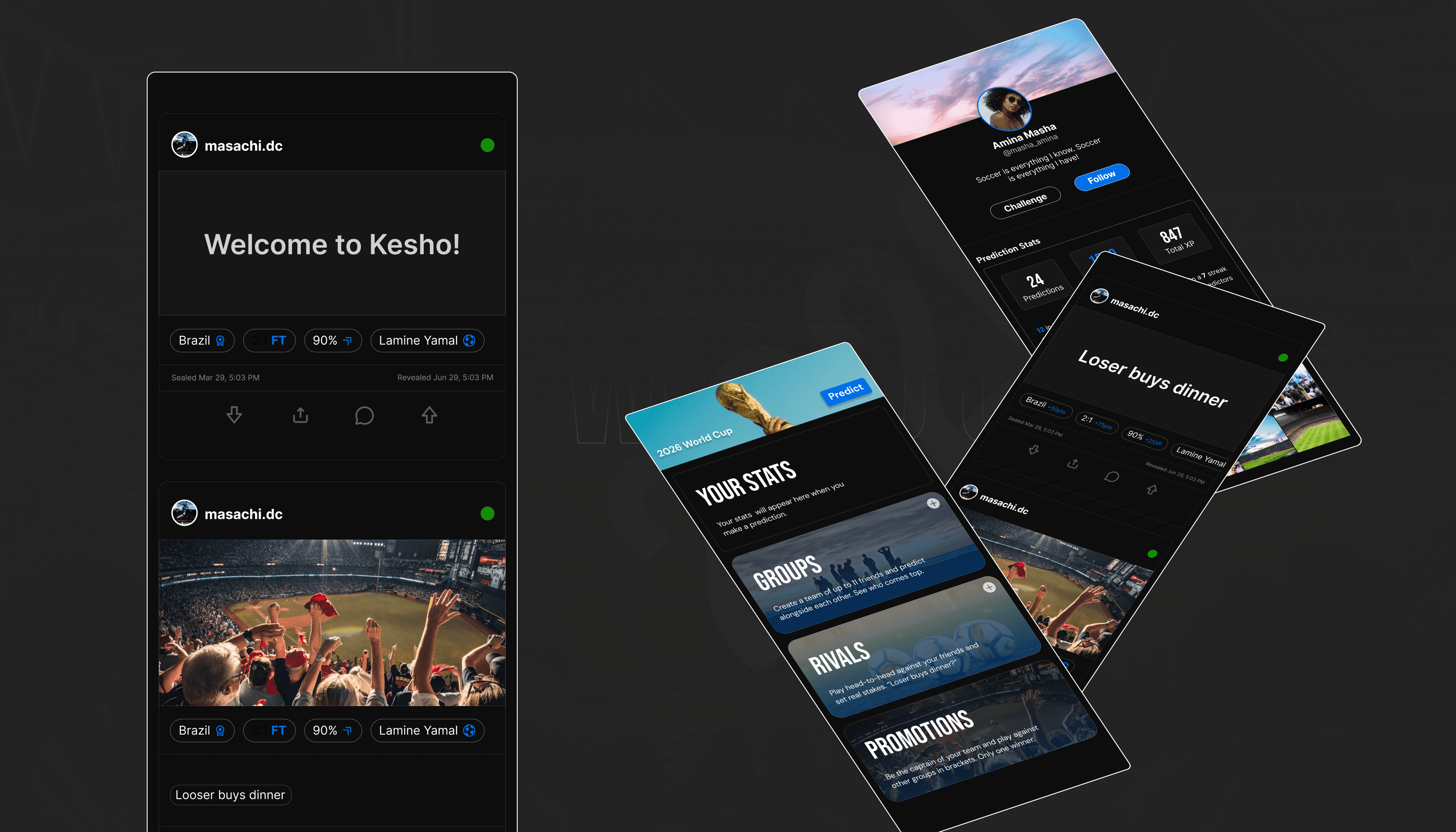
KESHO is a sealed foresight platform that lets you make predictions before an event starts. All predictions are locked at submission, timestamped, and verifiable.
For events such as the World Cup, your prediction is locked at kickoff. After the result, your prediction card reveals the total points and XP earned per prediction.
Foresight is part of human nature. Yet, all prediction platforms quickly turn foresight into gambling. KESHO is built for the majority of people who predict just to be right.
Everyone has opinions about what comes next. Fans predict who wins, traders predict what market crashes, and doctors what virus spreads. Yet many claim certainty after the fact.
KESHO is a sealed foresight platform that lets you make predictions before an event starts. All predictions are locked at submission, timestamped, and verifiable.
For events such as the World Cup, your prediction is locked at kickoff. After the result, your prediction card reveals the total points and XP earned per prediction.
Foresight is part of human nature. Yet, all prediction platforms quickly turn foresight into gambling. KESHO is built for the majority of people who predict just to be right.
View Web App
Design
Product specification
Information architecture
Wireframing
User interface and user interaction
Development
Product architecture
Database design.
API integration & algorithm design
Performance and cost
Deployment
Domain configuration
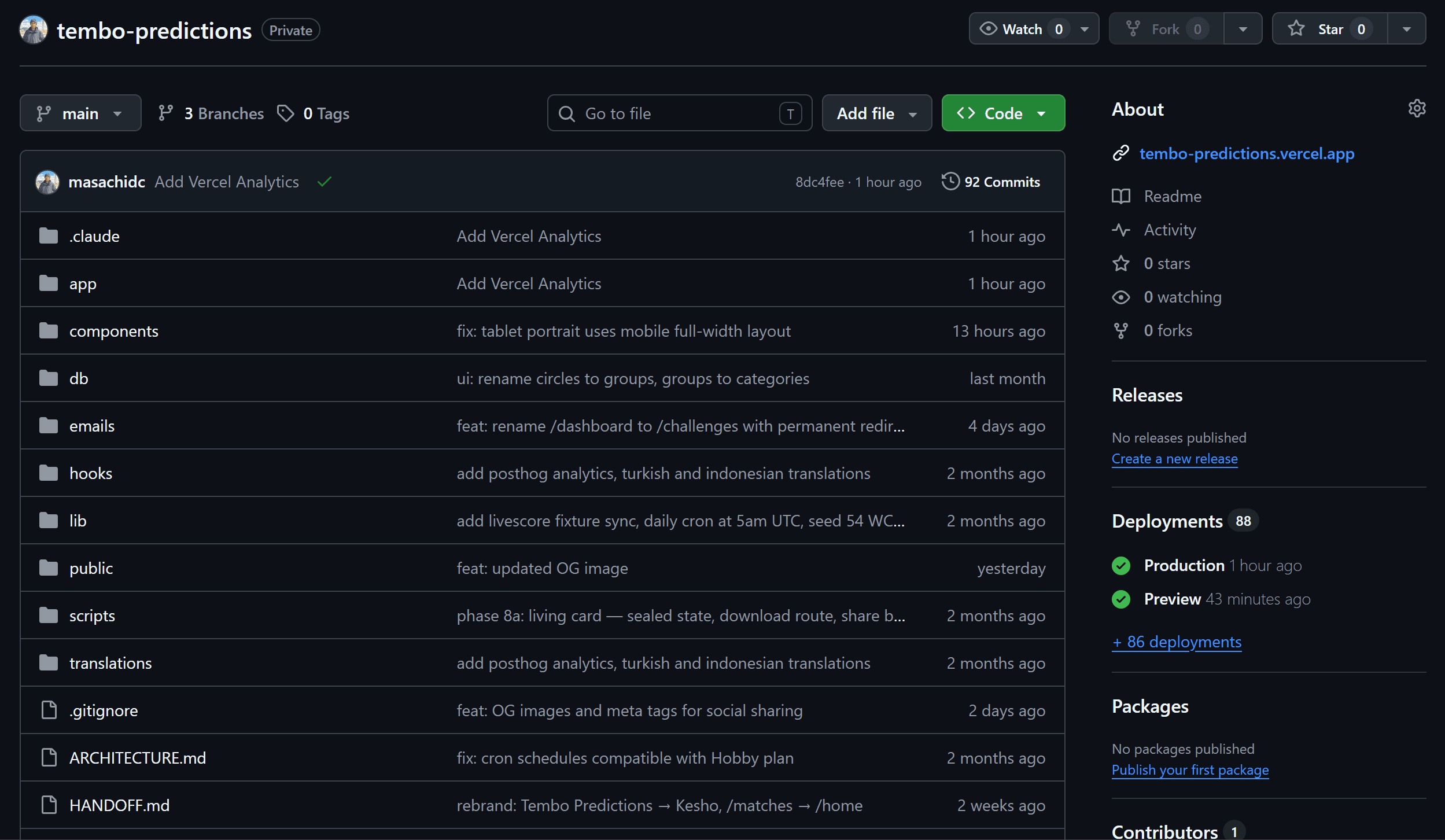
GitHub actions to Vercel deployment
Clerk user authentication
Resend email notification
Roles & Responsibilities
My Roles
My Roles
Role
Role
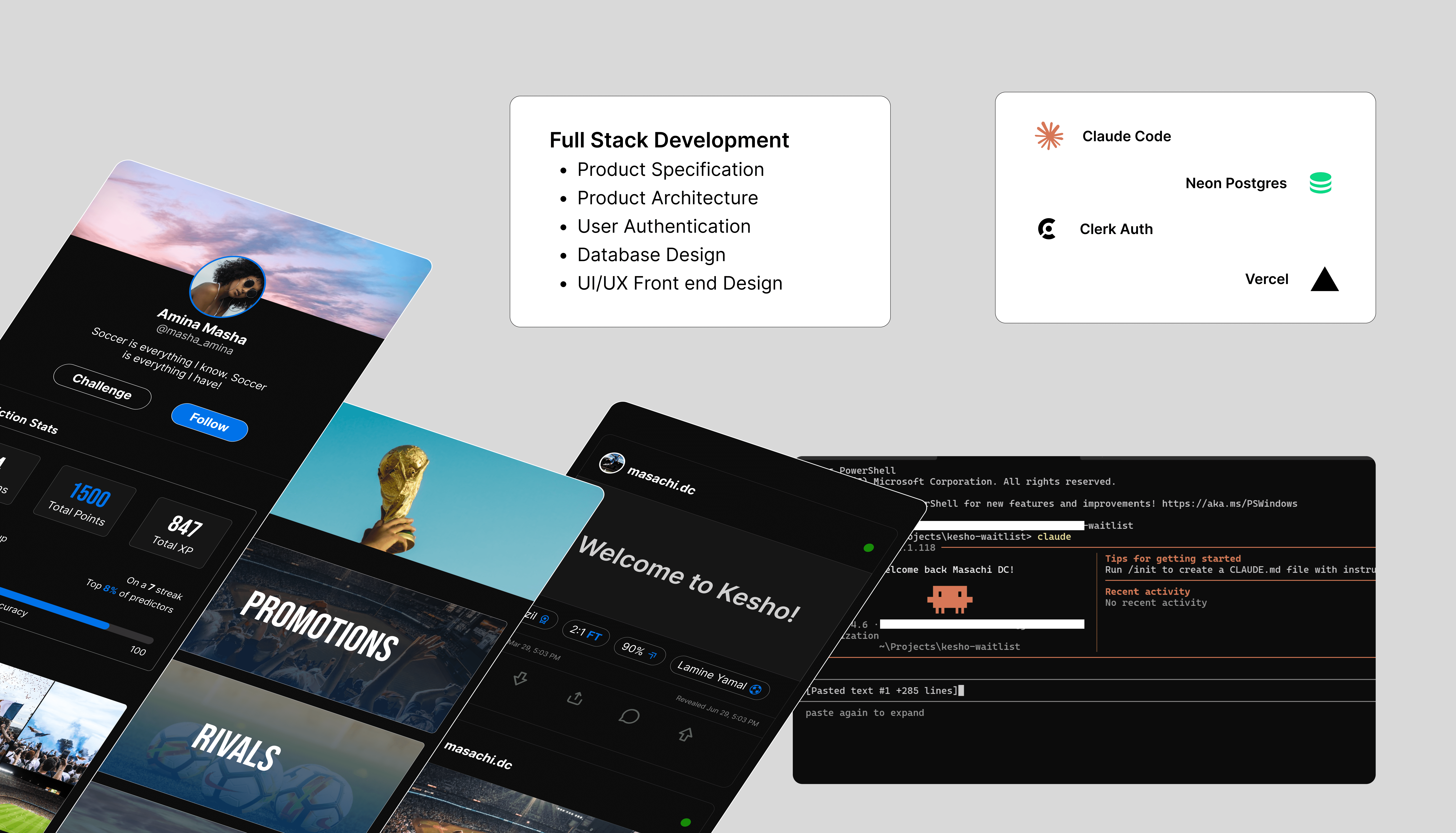
Full stack developer
Full stack developer
Tasks
Tasks
Conducted product research and ideation
Defined scope and prioritized features
Designed and refined UI and UX
Developed points and scoring algorithm
Conducted product research and ideation
Defined scope and prioritized features
Designed and refined UI and UX
Developed points and scoring algorithm
Tools
Tools
Figma + MCP + Make
Github
Vercel
Resend
Figma + MCP + Make
Github
Vercel
Resend
AI- Assisted
AI- Assisted
Senior full-stack developer
Senior full-stack developer
Set up project and environment
Built core logic and interactions
Developed UI and debugged issues
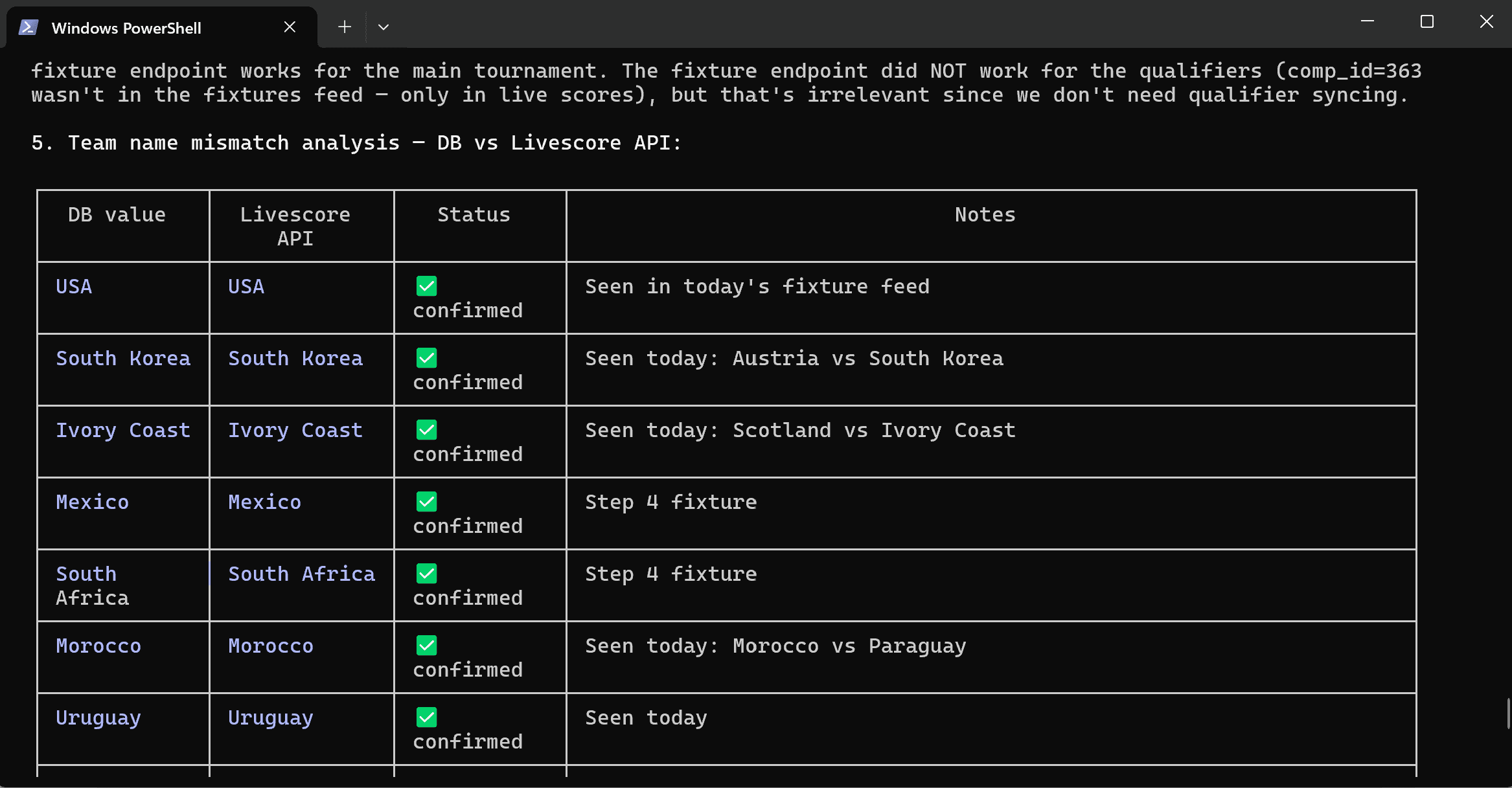
Integrated APIs and normalized data
Set up project and environment
Built core logic and interactions
Developed UI and debugged issues
Integrated APIs and normalized data
PowerShell
Neon Postgres + Drizzle
Clerk Auth and Resend
3+ API integrations
PowerShell
Neon Postgres + Drizzle
Clerk Auth and Resend
3+ API integrations
Research
Problem
Problem
Every day, people forecast outcomes in sports, culture, politics, and personal life.
However, almost every existing platform turns prediction into gambling, excluding the majority who just want to be right.
Every day, people forecast outcomes in sports, culture, politics, and personal life.
However, almost every existing platform turns prediction into gambling, excluding the majority who just want to be right.
User Behavior Research
User Behavior Research
Gambling is not a universal behavior
Gambling is not a universal behavior
Most Americans engage in some form of prediction, from brackets, to fantasy leagues, group chats, and casual bets with friends.
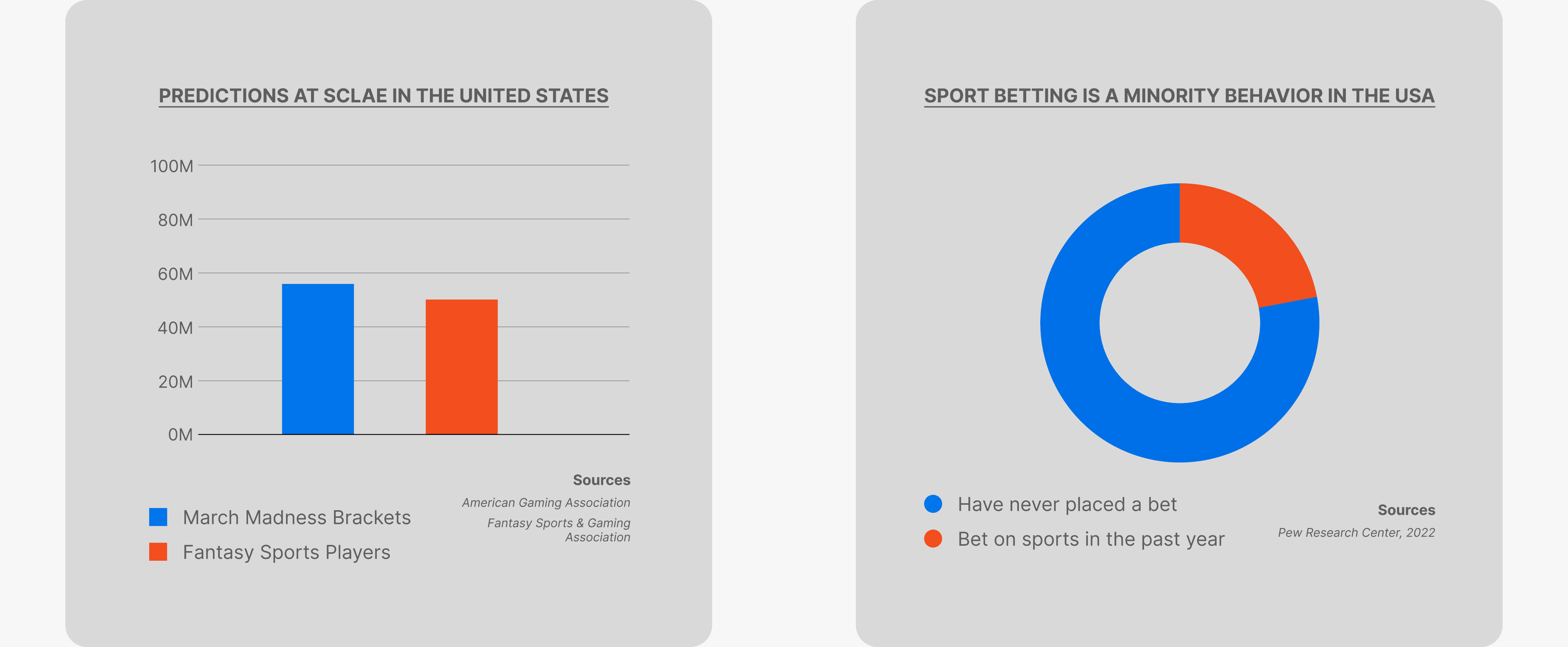
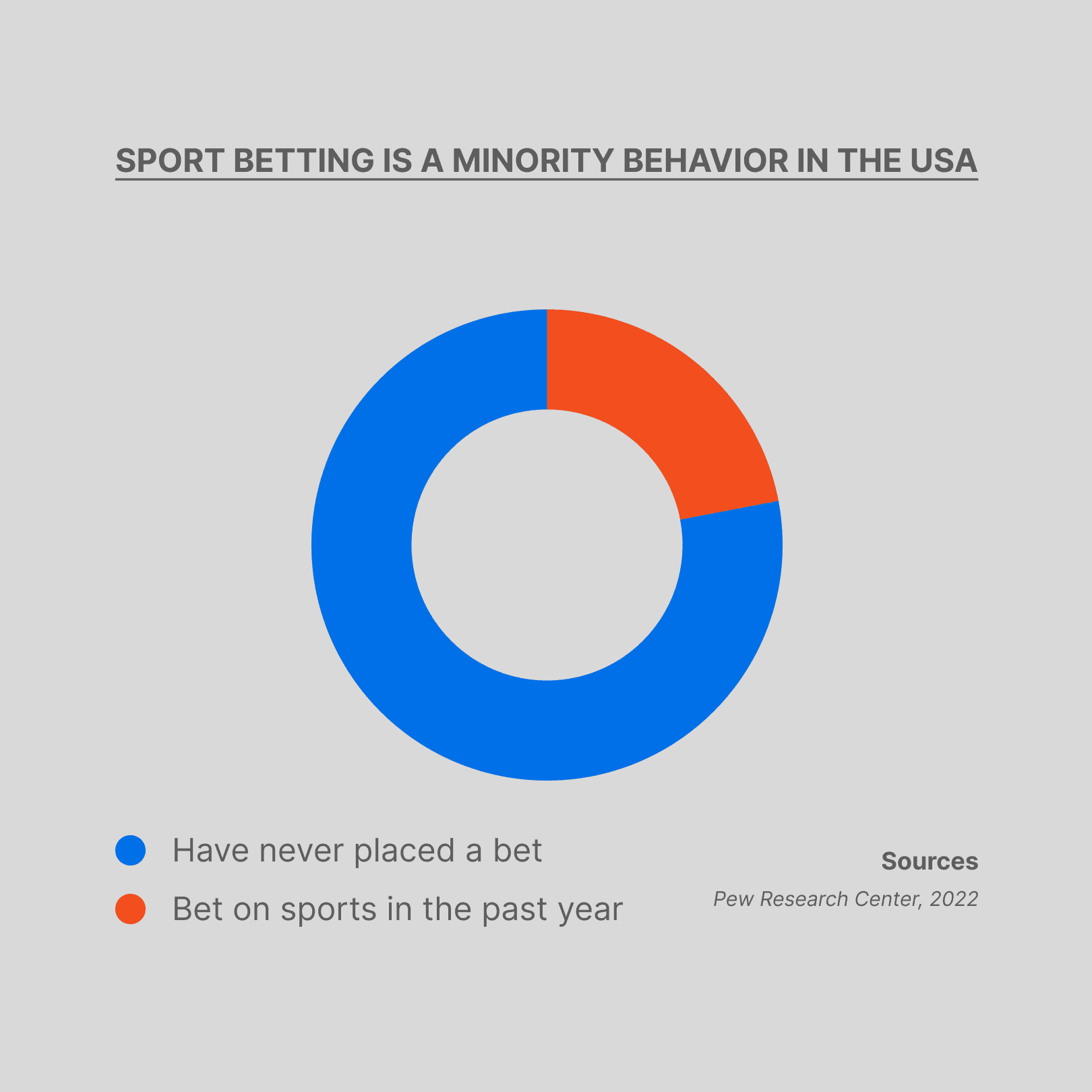
Yet, only about 1 in 5 adults actively use online sports betting platforms (Pew Research). The majority of prediction activity already happens outside financial systems.
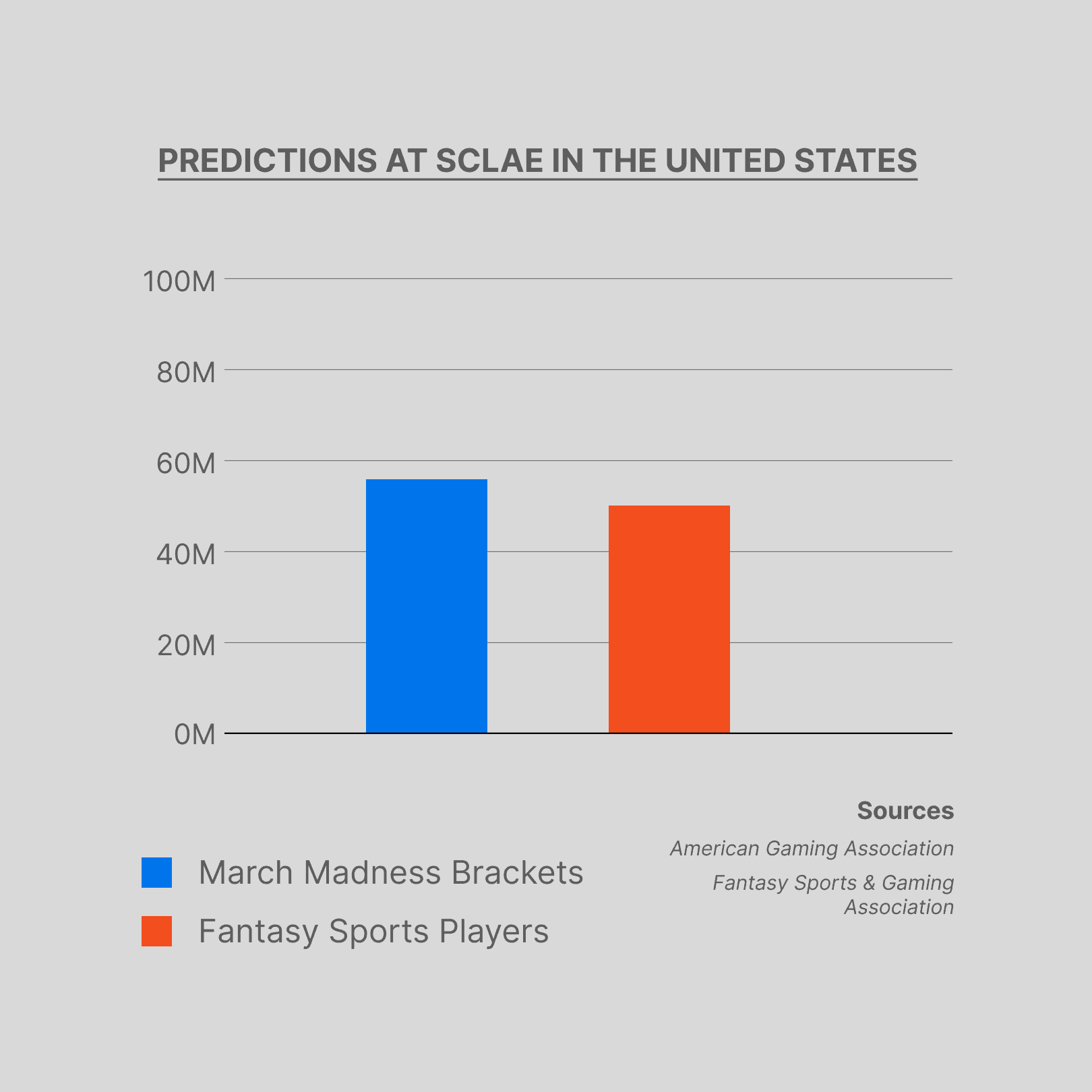
March Madness alone attracted an estimated 56 million Americans filling out brackets in 2023 (AGA).
Most Americans engage in some form of prediction, from brackets, to fantasy leagues, group chats, and casual bets with friends.
Yet, only about 1 in 5 adults actively use online sports betting platforms (Pew Research). The majority of prediction activity already happens outside financial systems.
March Madness alone attracted an estimated 56 million Americans filling out brackets in 2023 (AGA).
Market Research
Market Research
Dedicated prediction markets like Kalshi and Polymarket, while growing rapidly, still reach fewer than 1% of the US adult population who are primarily motivated by financial gain (Fortune).
Dedicated prediction markets like Kalshi and Polymarket, while growing rapidly, still reach fewer than 1% of the US adult population who are primarily motivated by financial gain (Fortune).
Findings
Findings
People Want to Seal Predictions. No money involved!
People Want to Seal Predictions. No money involved!
Prediction behavior exists but largely without monetary incentives.
Prediction markets have limited market adoption. Non-monetary systems are massive but unstructured and temporary.
Therefore, an opportunity exists to create dedicated prediction infrastructure outside of gambling. The timing coincides with upcoming major events such as the World Cup.
Prediction behavior exists but largely without monetary incentives.
Prediction markets have limited market adoption. Non-monetary systems are massive but unstructured and temporary.
Therefore, an opportunity exists to create dedicated prediction infrastructure outside of gambling. The timing coincides with upcoming major events such as the World Cup.
Design
Product Specification
Product Specification
KESHO is a sealed foresight platform for live events. Users submit timestamped predictions locked at kickoff and revealed with points after results across sports, entertainment, and other major events.
The minimum lovable product launches on May 15, with the 2026 World Cup as the main foresight category.
KESHO is a sealed foresight platform for live events. Users submit timestamped predictions locked at kickoff and revealed with points after results across sports, entertainment, and other major events.
The minimum lovable product launches on May 15, with the 2026 World Cup as the main foresight category.
Information Architecture
Information Architecture
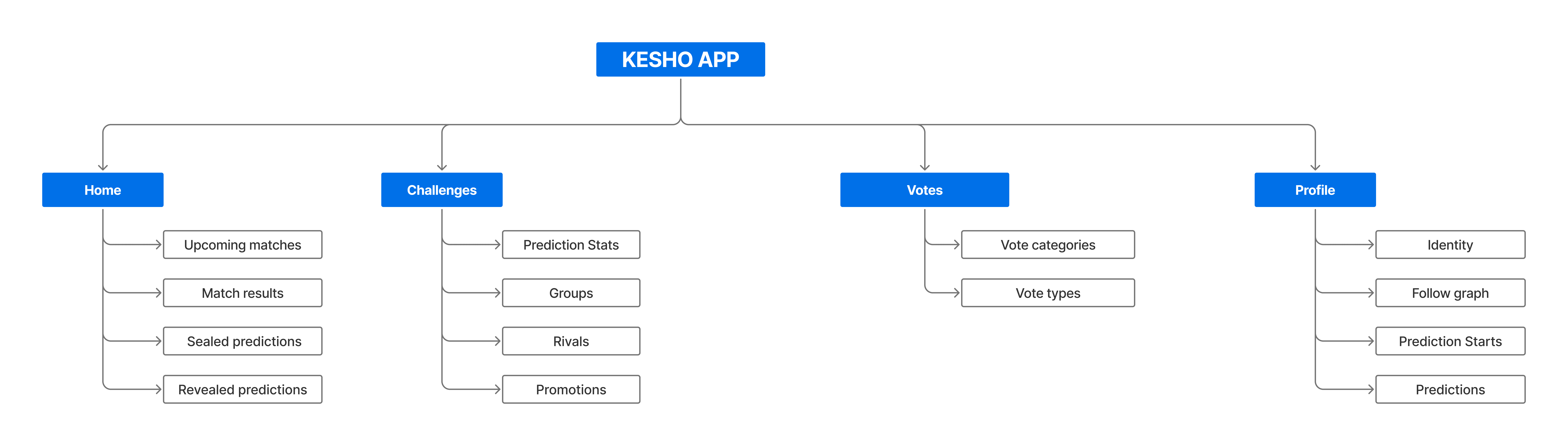
KESHO has four main pages.
Home surfaces live matches and friends' predictions in a single feed.
The challenges page is where groups form, rivals compete, and squads advance through a promotions bracket.
Votes page collect community opinion about ongoing events.
The profile holds the user's personal foresight record over time.
KESHO has four main pages.
Home surfaces live matches and friends' predictions in a single feed.
The challenges page is where groups form, rivals compete, and squads advance through a promotions bracket.
Votes page collect community opinion about ongoing events.
The profile holds the user's personal foresight record over time.
UI/UX & Frontend Design
UI/UX & Frontend Design
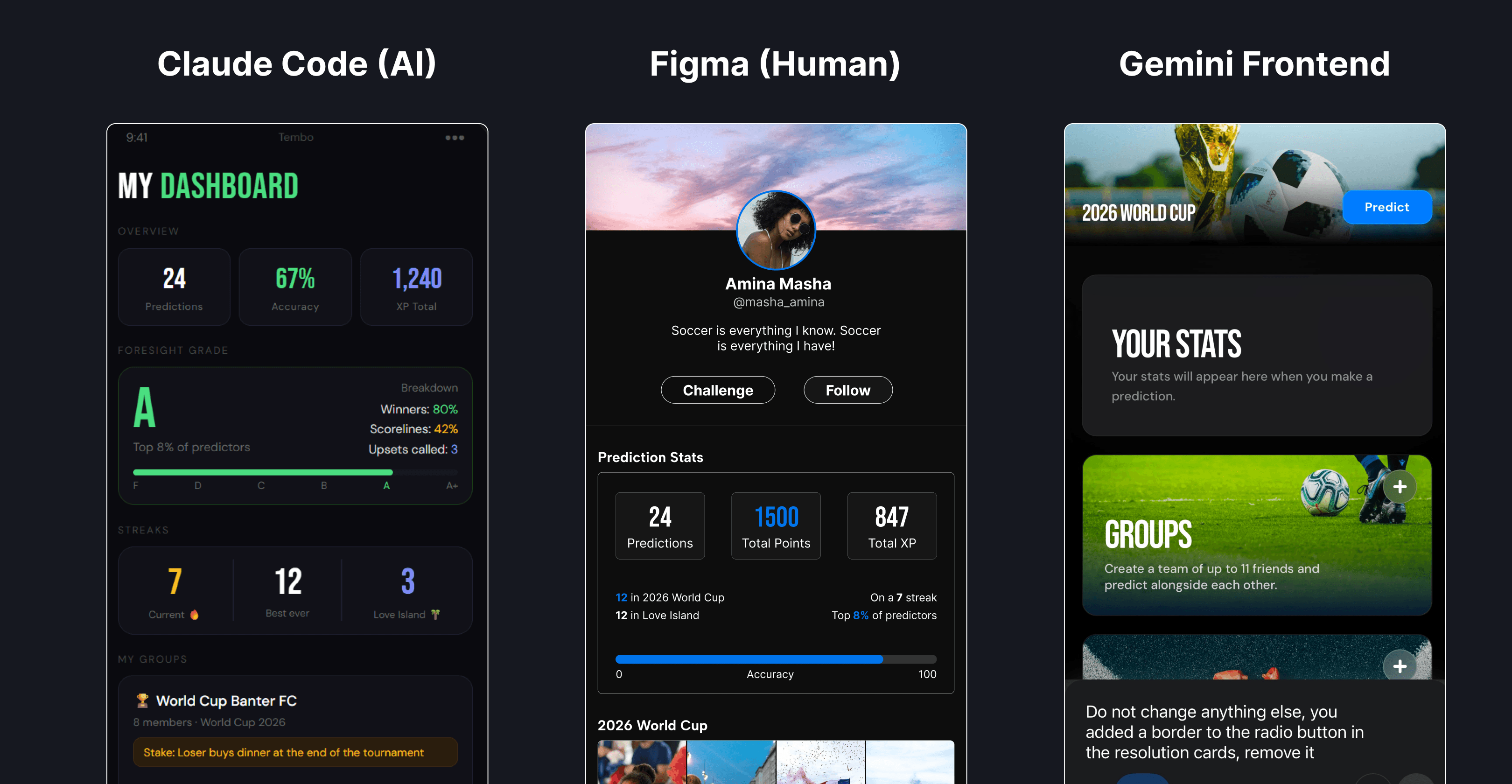
I started in Figma to obtain the high level concept, then used Claude Design for the initial UI generation because it understood the full project scope.
I refined in Figma Make and Gemini Canvas. I used Figma Make because it understands design intuitively. I used Gemini Canvas for polish because it is great at design, and more token-efficient than Claude for design work.
I then brought the final designs back to Claude Code. I worked with Claude Code to develop a consistent design system because of its ability to understand, break down and organize complex code base.
I started in Figma to obtain the high level concept, then used Claude Design for the initial UI generation because it understood the full project scope.
I refined in Figma Make and Gemini Canvas. I used Figma Make because it understands design intuitively. I used Gemini Canvas for polish because it is great at design, and more token-efficient than Claude for design work.
I then brought the final designs back to Claude Code. I worked with Claude Code to develop a consistent design system because of its ability to understand, break down and organize complex code base.
● ---
  1. app/globals.css
  @import "tailwindcss";

  @theme {
    --color-bg: #000000;
    --color-surface: #1C1C1E;
    --color-surface-elevated: #2C2C2E;
    --color-accent: #0070E8;
    --color-accent-hover: #0A84FF;
    --color-border: rgba(255, 255, 255, 0.08);
    --color-border-strong: rgba(255, 255, 255, 0.20);
    --color-text: #FFFFFF;
    --color-text-muted: #8E8E93;
    --color-text-faint: rgba(255, 255, 255, 0.40);

    --font-sans: var(--font-dm-sans), sans-serif;
    --font-display: var(--font-bebas-neue), sans-serif;

    --radius-card: 12px;
    --radius-button: 10px;
    --radius-badge: 9999px;
  }
Development
Product Architecture
Product Architecture
Technical Summary
Technical Summary
I designed a write once, server timestamped prediction system where entries are locked at kickoff and cannot be edited after submission
Each prediction includes outcome, and optionally a final score, text, and confidence level, transitioning through Sealed, Live, and Final states under a single persistent URL.
Scoring is handled through a dual pool model combining probability weighted foresight algorithm with real event outcomes.
I designed a write once, server timestamped prediction system where entries are locked at kickoff and cannot be edited after submission
Each prediction includes outcome, and optionally a final score, text, and confidence level, transitioning through Sealed, Live, and Final states under a single persistent URL.
Scoring is handled through a dual pool model combining probability weighted foresight algorithm with real event outcomes.
Tech Stack
Tech Stack
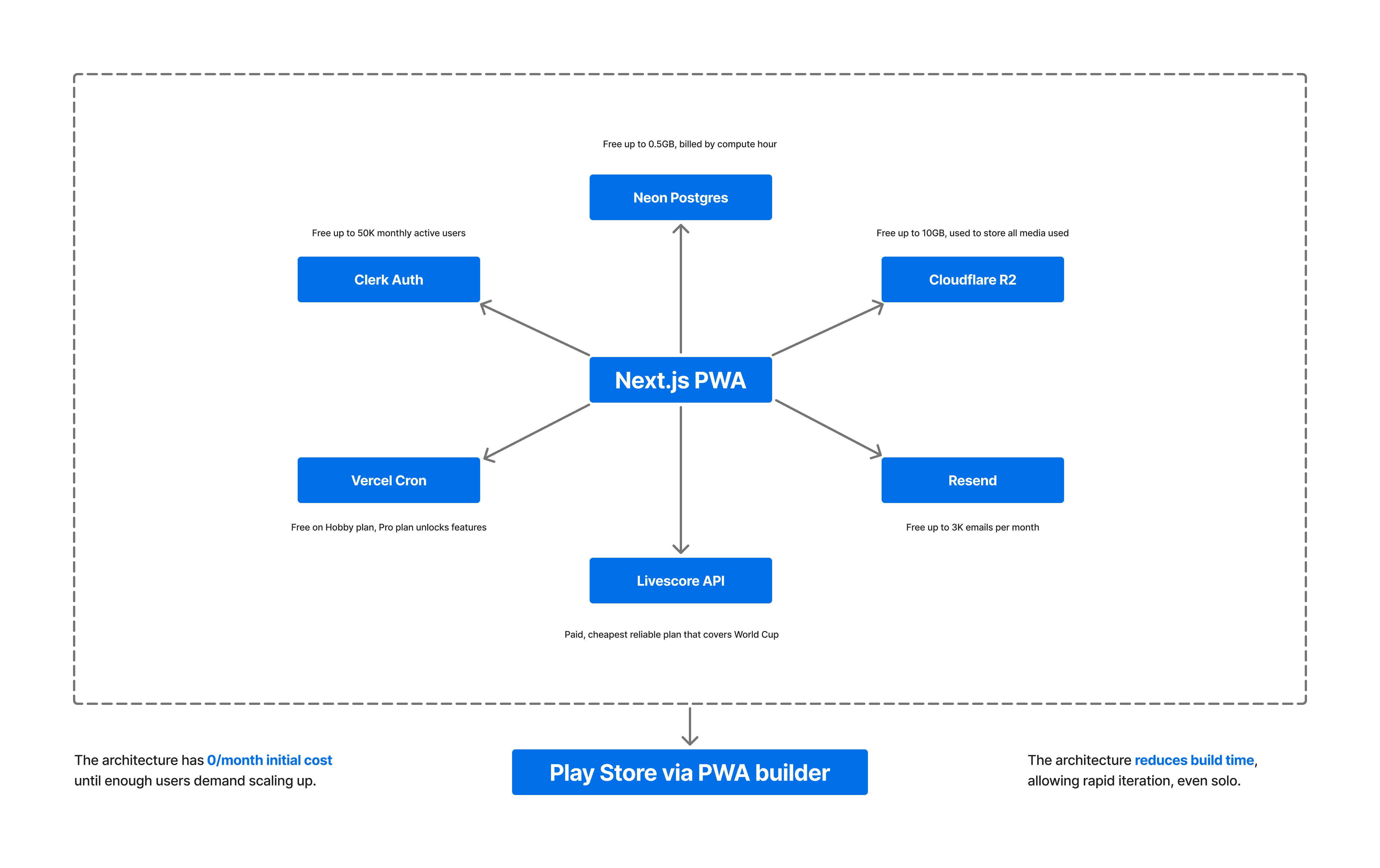
Framework: Next.js App Router with React 19 and TypeScript for server-first, scalable UI architecture.
Authentication: Clerk with server-side auth()
Database: Neon PostgreSQL with Drizzle ORM
Styling: Tailwind CSS for fast UI development.
Hosting: Vercel for global audience access at launch.
Email: Resend with React Email for onboarding and important communication.
Cron jobs: For locking and revealing results.
Framework: Next.js App Router with React 19 and TypeScript for server-first, scalable UI architecture.
Authentication: Clerk with server-side auth()
Database: Neon PostgreSQL with Drizzle ORM
Styling: Tailwind CSS for fast UI development.
Hosting: Vercel for global audience access at launch.
Email: Resend with React Email for onboarding and important communication.
Cron jobs: For locking and revealing results.
Data & Database Design
Data & Database Design
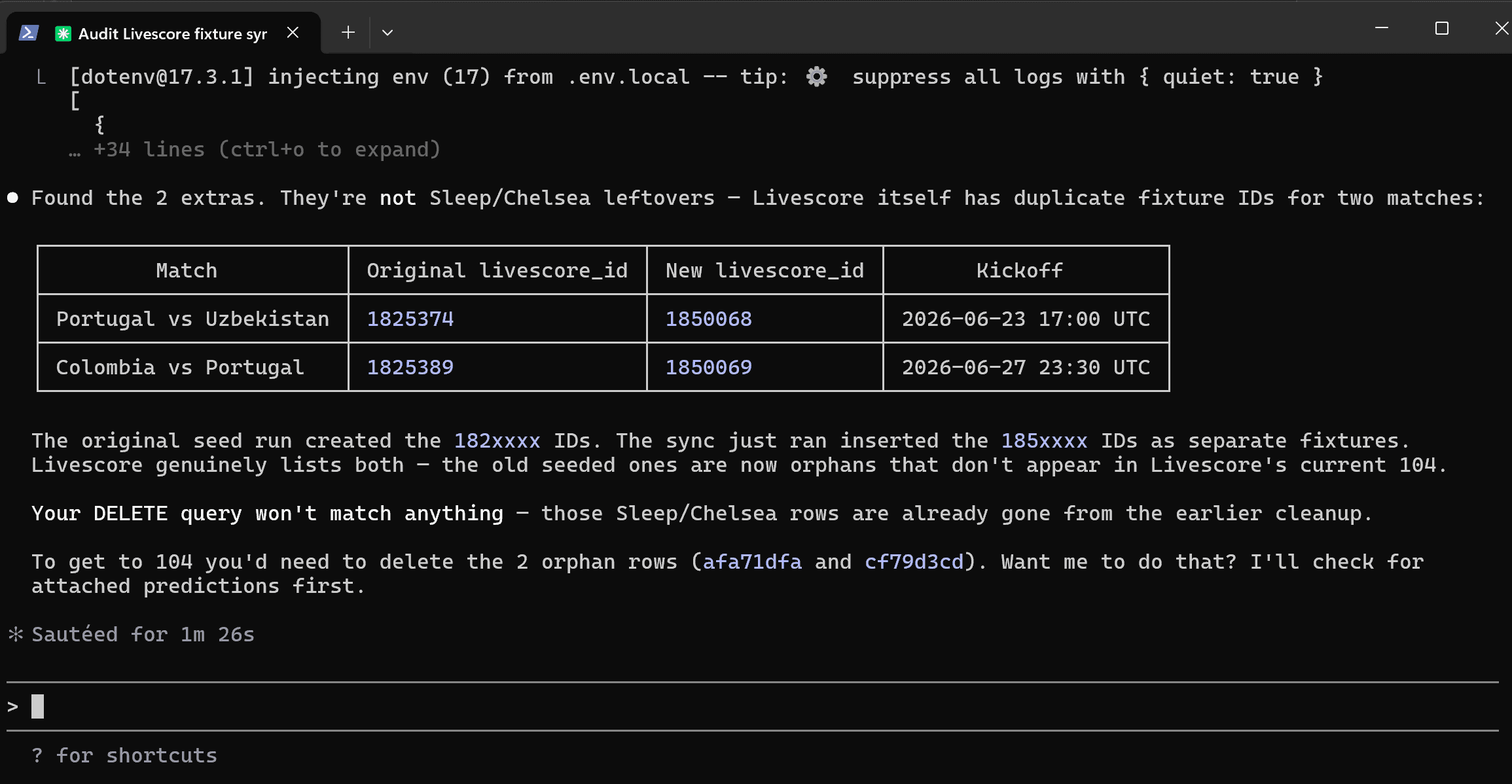
The system is built on a relational PostgreSQL schema designed around event-driven prediction flows, including users, events, predictions, groups, votes, and feed entities.
Each prediction is stored as an immutable write-once record linked to a single event via a unique constraint, ensuring one user one prediction per event.
Time-sensitive data is standardized using UTC, ensuring consistent behavior across global events and prediction locks.
The system is built on a relational PostgreSQL schema designed around event-driven prediction flows, including users, events, predictions, groups, votes, and feed entities.
Each prediction is stored as an immutable write-once record linked to a single event via a unique constraint, ensuring one user one prediction per event.
Time-sensitive data is standardized using UTC, ensuring consistent behavior across global events and prediction locks.
Algorithm Design
Algorithm Design
With no monetary incentive, I had to design and implement a unified point system that combines points and XP to reward both accuracy and participation.
The system determines group rankings based on total points, defines stake participation in rival matchups, and controls which groups advance through the promotions bracket to the next stage.
With no monetary incentive, I had to design and implement a unified point system that combines points and XP to reward both accuracy and participation.
The system determines group rankings based on total points, defines stake participation in rival matchups, and controls which groups advance through the promotions bracket to the next stage.
Deployment
UTC to Local Time
UTC to Local Time
The Biggest Bug
The Biggest Bug
The main challenge was that both the external API and database operate in UTC, while users expect to view matches in their local time. Early on, this led to issues where matches were displaying on incorrect dates and times.
The main challenge was that both the external API and database operate in UTC, while users expect to view matches in their local time. Early on, this led to issues where matches were displaying on incorrect dates and times.
Debugging
Debugging
To support a global user base, I centralized all match scheduling in UTC, and handled time zone localization at the UI layer, allowing the system to scale globally while preventing inconsistencies across regions and devices.
To support a global user base, I centralized all match scheduling in UTC, and handled time zone localization at the UI layer, allowing the system to scale globally while preventing inconsistencies across regions and devices.
Internationalization
Internationalization
The Challenge
The Challenge
The World Cup is the most globally followed event, so designing for it required internationalization from the start.
The World Cup is the most globally followed event, so designing for it required internationalization from the start.
Solution
Solution
I implemented a low-cost localization system that translates up to 7 languages at a system level using a GitHub Actions workflow.
System strings are translated and updated at each deployment, avoiding runtime translation costs while allowing users to experience the app in their native language.
I implemented a low-cost localization system that translates up to 7 languages at a system level using a GitHub Actions workflow.
System strings are translated and updated at each deployment, avoiding runtime translation costs while allowing users to experience the app in their native language.
Launch Strategy
App Launch
App Launch
KESHO is deployed as a Progressive Web App with production-ready performance optimization.
The architecture is designed for web-first distribution, with planned rollout to mobile platforms via Android Trusted Web Activity and Apple’s web-to-native equivalent.
KESHO is deployed as a Progressive Web App with production-ready performance optimization.
The architecture is designed for web-first distribution, with planned rollout to mobile platforms via Android Trusted Web Activity and Apple’s web-to-native equivalent.
Communication
Communication
Waitlist
Waitlist
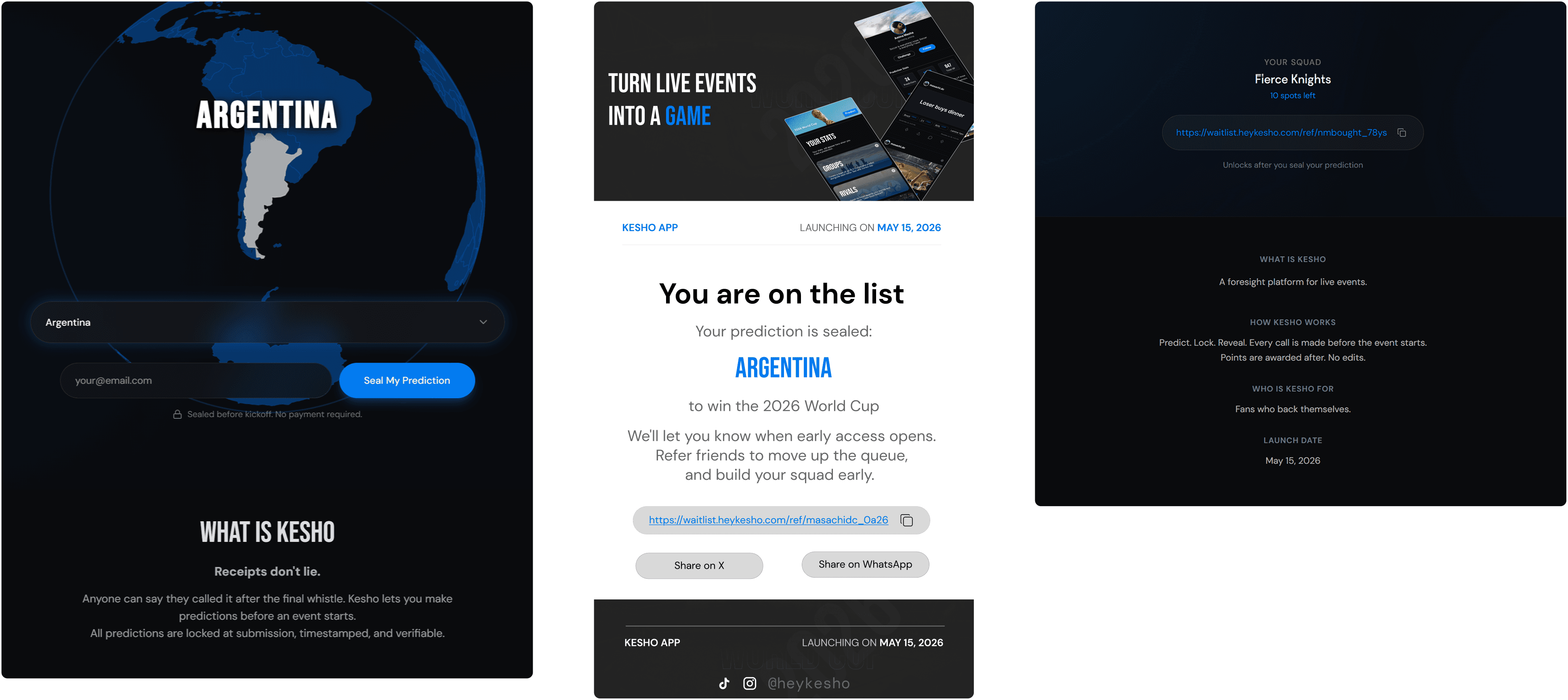
I built a referral-based waitlist system using unique invite links to drive pre-launch network formation and squad creation.
I built a referral-based waitlist system using unique invite links to drive pre-launch network formation and squad creation.
Email Notifications
Email Notifications
Email onboarding and crucial information will be shared to the user through email, made possible by Resend email.
Email onboarding and crucial information will be shared to the user through email, made possible by Resend email.
Timeline
Timeline
I structured development around the FIFA World Cup 2026 hard deadline. A beta launch is scheduled for May 15 to validate core systems and user flows.
A soft launch phase leads into the FIFA World Cup kickoff on June 11, when the full prediction, social, and engagement systems go live at scale.
I structured development around the FIFA World Cup 2026 hard deadline. A beta launch is scheduled for May 15 to validate core systems and user flows.
A soft launch phase leads into the FIFA World Cup kickoff on June 11, when the full prediction, social, and engagement systems go live at scale.
Next Steps
Performance optimization
Performance optimization
Caching
Caching
I will use Redis caching for match data and leaderboard queries, reducing repeated database reads during peak prediction windows around kickoff.
I will use Redis caching for match data and leaderboard queries, reducing repeated database reads during peak prediction windows around kickoff.
Security
Security
Data safety is a priority during software testing to identify any vulnerabilities before launch.
Data safety is a priority during software testing to identify any vulnerabilities before launch.
Loading testing
Loading testing
I have started and will keep stress testing the prediction sealing cron and group formations ahead of the June 11 World Cup kickoff, when concurrent submissions are expected to peak.
I have started and will keep stress testing the prediction sealing cron and group formations ahead of the June 11 World Cup kickoff, when concurrent submissions are expected to peak.